Keywords: Android 17 features, Android 17 release date, Android 17 pros and cons, Android 17 device requirements, Android 17 update India, Android 17 compatible devices, Android 17 advantages, Android 17 review.
🌟 Introduction – What is Android 17?
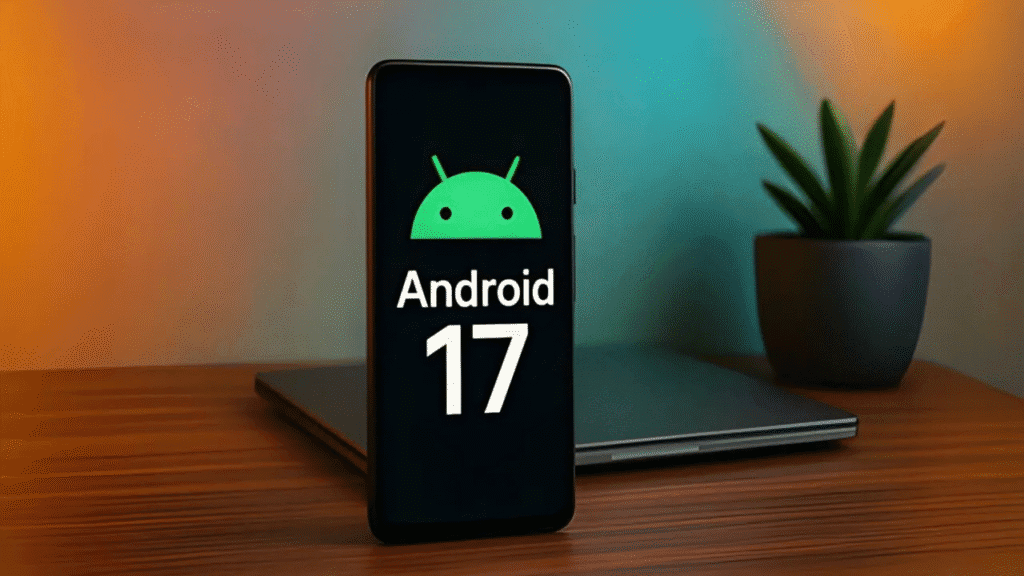
Tech lovers wait eagerly every year for Google’s new Android OS update, and 2025 has brought us the Android 17 release.
This update is not just about performance improvements but also about AI integration, stronger security, and personalized experience.
Android 17 has been rolled out first on Google Pixel devices and will soon arrive on Samsung, OnePlus, Xiaomi, Realme, Oppo, and other OEMs in phases.
If you’re wondering whether your device will support it, what new features are included, and whether it’s worth upgrading — this article covers everything.
🚀 Android 17 Release Date & Availability
- Official Announcement: Google I/O 2025
- Beta Testing: Mid 2025 (Pixel devices first)
- Stable Release: Q3 2025
- Rollout: Pixel first, then partner brands by end of the year
👉 Early adopters can already download Android 17 on Pixel 8 series and Pixel Fold. Other smartphone brands will push OTA updates gradually.
🔥 Android 17 Features – What’s New?
1. 🤖 AI-Powered Personalization
- Android 17 introduces Gemini-based AI Assistant.
- AI suggests smart replies, call summaries, and even auto-generates captions in real time.
- Wallpapers and themes adjust dynamically based on your mood and time of day.
2. 🔒 Security & Privacy Upgrades
- App Permission Dashboard 2.0 for more transparency.
- AI-driven malware detection at system level.
- Face & fingerprint hybrid unlock with stronger encryption.
3. ⚡ Performance & Battery Optimization
- Android 17 reduces background process drain by 20%.
- Faster app launch times.
- Adaptive Battery 2.0 learns your usage habits and prioritizes power efficiency.
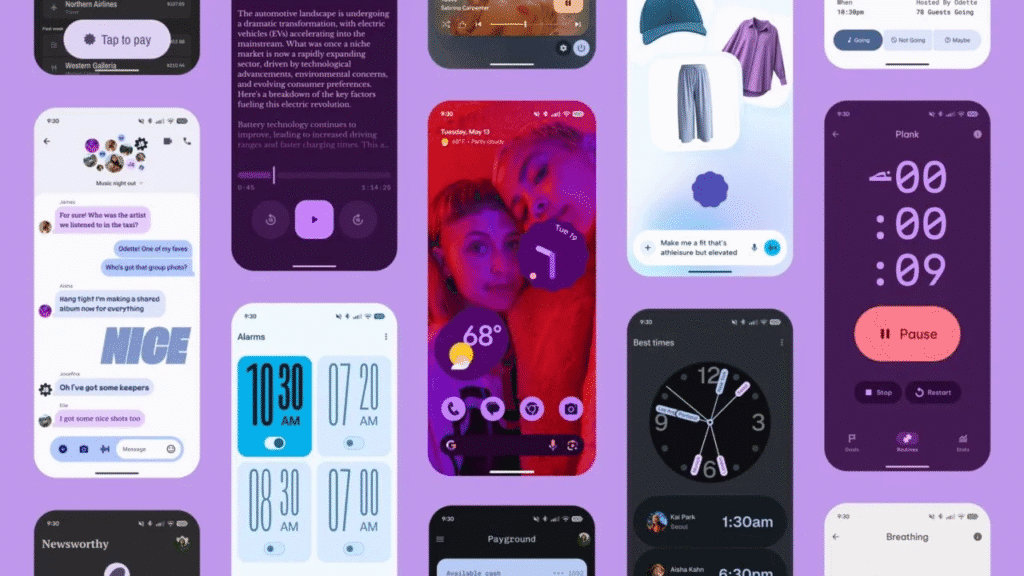
4. 🎨 New UI Design – “Neo Material You”
- Improved widgets with live data updates.
- Interactive lock screen (like iOS-style but with Android customization).
- Larger icons, smoother animations, and dynamic color palettes.
5. 📡 Connectivity & Sharing
- Cross-device copy-paste (Android, Chromebook, Tablet).
- Nearby Share 2.0 – faster file transfer across all brands.
- Satellite connectivity support (for emergencies).
6. 🎮 Gaming & Media Boost
- Android 17 supports Ray Tracing 2.0 for gaming.
- Built-in Game Turbo Mode with FPS booster.
- Higher-quality spatial audio support.
✅ Pros of Android 17
- AI-first experience – personalized assistance.
- Better privacy & security for users.
- Improved battery backup.
- Cross-device syncing (great for multi-device users).
- Smooth UI & animations.
- Emergency satellite connectivity – life-saving in remote areas.
❌ Cons of Android 17
- Heavy AI features may drain old devices.
- Some features exclusive to Pixel & flagship devices.
- Takes time for other brands (Samsung, Xiaomi, etc.) to roll out.
- Not all apps are fully optimized yet.
📱 Android 17 Device Requirements
Not every phone will get Android 17. Here are the minimum requirements:
- Processor: Snapdragon 8 Gen 2 / Tensor G2 or newer
- RAM: 6GB+
- Storage: 64GB+
- Display: Full HD+ with 60Hz or higher
- Security: Fingerprint/Face unlock mandatory
👉 Supported First: Google Pixel 6 and newer, Pixel Fold, Pixel Tablet
👉 Expected: Samsung Galaxy S23/S24 series, OnePlus 11/12, Xiaomi 13/14, Realme GT series, Oppo Find X series
📊 Comparison: Android 16 vs Android 17
| Feature | Android 16 | Android 17 |
|---|---|---|
| AI Assistant | Basic | Gemini-based Advanced AI |
| Battery Management | Adaptive | Adaptive 2.0 (smarter) |
| UI Design | Material You | Neo Material You |
| Gaming | Standard | Ray Tracing 2.0 + Turbo Mode |
| Connectivity | Nearby Share | Nearby Share 2.0 + Satellite |
| Security | Standard | AI-driven real-time protection |
💡 Does Android 17 Require a New Screen Device?
- No, you don’t need to buy a new phone just for the screen.
- But some advanced UI features (interactive lock screen, adaptive wallpapers) work best on OLED/QHD+ displays.
- If you’re using an older LCD panel phone, you’ll still get Android 17 but with limited visual experience.
📌 Android 17 for India – What to Expect?
- Rollout will begin with Pixel devices first.
- Samsung, OnePlus, Xiaomi, Realme, Oppo users will get it by early 2026.
- Indian users will benefit most from AI-powered regional language translation (supports Hindi, Tamil, Bengali, Telugu, etc.).
- Emergency satellite connectivity could be game-changing in rural/remote India.
❓ Frequently Asked Questions (FAQ)
Q1. Will Android 17 work on my phone?
👉 Only if your device meets minimum requirements (6GB RAM, modern chipset).
Q2. Do I need to buy a new phone for Android 17?
👉 Not necessarily, but older phones may not get updates from the brand.
Q3. Is Android 17 better than iOS 18?
👉 Android 17 focuses more on AI personalization & customization, while iOS 18 focuses on ecosystem smoothness. Both are strong in different areas.
Q4. What’s the biggest feature of Android 17?
👉 The Gemini AI integration and Neo Material You UI.
Q5. Will Android 17 drain my battery faster?
👉 No, in fact Adaptive Battery 2.0 saves more power.
🏁 Conclusion – Should You Upgrade to Android 17?
Android 17 is a big leap forward in the mobile OS journey.
It blends AI power, security, customization, and cross-device syncing — making it the most advanced Android yet.
- If you own a Pixel or flagship device, you should definitely upgrade.
- If you have a mid-range or older device, check if your brand will push updates.
- For those who care about AI features, gaming, and privacy, Android 17 is a must-have.
At the end of the day, Android 17 proves that the future of smartphones is AI-driven — and Google is leading that charge.
✨ Final Words for TezUpdate Readers
Stay tuned for real-world reviews, device compatibility lists, and Android 17 tips & tricks on TezUpdate.
Follow our WhatsApp Channel and never miss the latest tech updates. 🚀