

Patel Engineering to Revive 144 MW Gongri Hydropower Project in Arunachal Pradesh
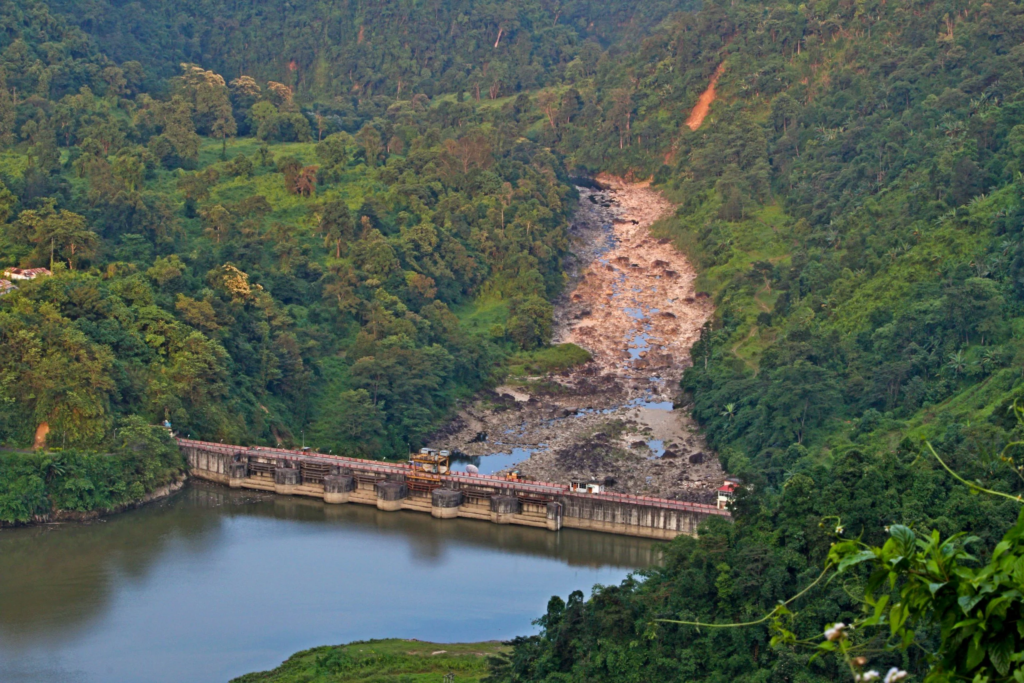
India’s hydropower story just found its long-lost rhythm again — steady, strategic, and rooted in the mountains. Patel Engineering Ltd has officially stepped in to revive the 144 MW Gongri Hydropower Project in Arunachal Pradesh, breathing life into a project that once stood still.
This revival is not just another MoU headline. It marks the first project restored under Arunachal Pradesh’s newly notified policy for terminated large hydropower projects, setting a precedent for stalled infrastructure across the state.
A Project Reborn Under a New Policy Framework
Patel Engineering has signed a Memorandum of Understanding (MoU) with the Government of Arunachal Pradesh to restore and develop the Gongri Hydropower Project located in West Kameng district, near Dirang town.
The project had earlier been terminated but is now being revived under the “Arunachal Pradesh Restoration of Terminated Large Hydropower Policy under Special Circumstances, 2025”, which has received approval from the state cabinet. In plain terms: old problems, new solutions, and a cleaner restart.
Investment, Timeline, and Execution Model
- Installed Capacity: 144 MW
- Estimated Cost: ₹1,700 crore
- Execution Model: BOOT (Build–Own–Operate–Transfer)
- Construction Period: ~4 years
- Lease Period: 40 years
Under the BOOT model, Patel Engineering will build, own, and operate the project for four decades before transferring ownership and operational control back to the Arunachal Pradesh government. It’s a classic, time-tested model — disciplined, long-term, and infrastructure-friendly.
Strategic Location in the Kameng Basin
The project is located on the Gongri River, a tributary of the Bichom River, within the Kameng basin — a region known for its immense yet underutilized hydropower potential.
This geography is not just scenic; it’s strategic. Harnessing hydropower here supports:
- Grid stability in the North-East
- Reduced dependency on fossil fuels
- Better regional power availability
Simply put, this is clean energy doing what it’s always promised — quietly powering growth.
Focus on Local Development and Sustainability
Patel Engineering’s Managing Director, Kavita Shirvaikar, emphasized that the project is not only about megawatts and machinery. According to her, the development will ensure socio-economic benefits for local communities, aligning infrastructure growth with regional upliftment.
That balance matters. Hydropower, when done right, respects terrain, supports livelihoods, and plays the long game — something Arunachal Pradesh has always demanded.
Why This Revival Matters
This project is more than a standalone win:
- It signals policy confidence in reviving stalled infrastructure
- It restores investor trust in Arunachal Pradesh’s hydropower sector
- It opens the door for other terminated projects to return to life
For a state sitting on one of India’s richest hydropower reserves, this is a reset moment.
The Bigger Picture
Hydropower has always been India’s old-school renewable — reliable, proven, and patient. In an era obsessed with speed, projects like Gongri remind us that some power sources are built for generations, not quarters.
Patel Engineering’s entry into this revival writes a clean chapter in Arunachal Pradesh’s infrastructure playbook — grounded in policy reform, long-term execution, and regional development.
Tez takeaway: When policy clarity meets execution capability, even stalled rivers start flowing again.